- Home
- About
About Beihai Asia International Arbitration Centre (BAIAC)
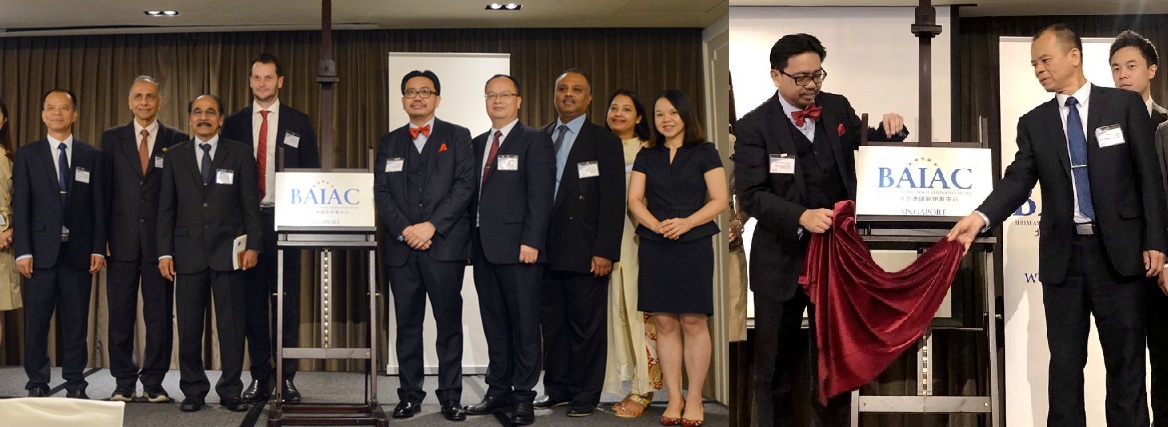
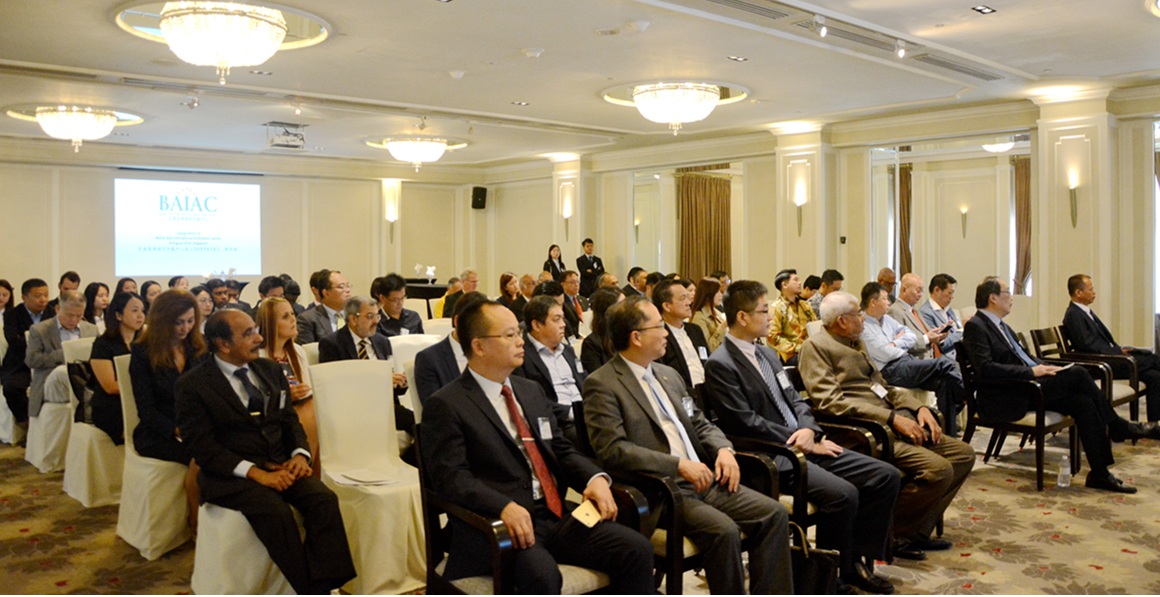
Enabling Better Outcomes for Users
BAIAC’s mission is to provide uncomplicated, tribunal-led arbitration. In response to industry and user demands, we offer lower-cost and more efficient international arbitration services that align with the needs of small and medium-sized enterprises engaged in cross-border disputes, with a particular focus on Asian parties. We leverage Singapore’s position as a trusted international dispute resolution hub to serve the region in disputes arising from the Belt and Road Initiative, broader Asian trade cooperation, and commercial ties between China and ASEAN Plus Six countries. Our arbitral rules permit arbitrations seated in Singapore (applying lex arbitri under Singapore law) or in any other jurisdiction chosen by the parties. With its global reputation in arbitration and mediation, Singapore continues to play a pivotal role in facilitating dispute resolution across the region and beyond.
BAIAC is comprised of leading international experts serving on its Committee and Senior Advisors panel. It maintains panels of arbitrators that include both senior and experienced practitioners, as well as a dedicated panel of international mediators.
Essential FAQs
-
Does BAIAC only handle small disputes?
No. While our Arbitration Rules include a small claims procedure for faster, more cost-effective resolution, we also handle disputes of any value. -
Why does BAIAC focus on ASEAN Plus Six and China trade?
Asia is a culturally and price-sensitive region that prefers localised approach to dispute resolution. ASEAN, in particular, is among the world’s top five largest economic blocs. -
What is BAIAC’s core approach to arbitration?
We allow our arbitrators to take charge from the outset, enabling more streamlined and efficient proceedings. -
If BAIAC’s arbitrator fees are lower, is it still worthwhile for their time?
It’s common for parties to terminate arbitration midway due to high costs, so arbitrators often don’t receive their full fees. Hence, we strive to keep fees lower to help parties complete their arbitration. Meanwhile, competent but newer arbitrators may find handling lower-value cases to be worthwhile their time.

Towards a Diverse and Collaborative International Arbitration Ecosystem
BAIAC believes in building bridges within the international arbitration and ADR community. The burgeoning arbitral industry today offers parties more options when selecting arbitral rules that best suit their needs. However, more can be done to ensure that arbitration remains a truly alternative method of dispute resolution—one that allows parties to resolve disputes without undue delay, unnecessary complexity, or excessive cost. Thus, cooperation and collaboration are key for the industry.
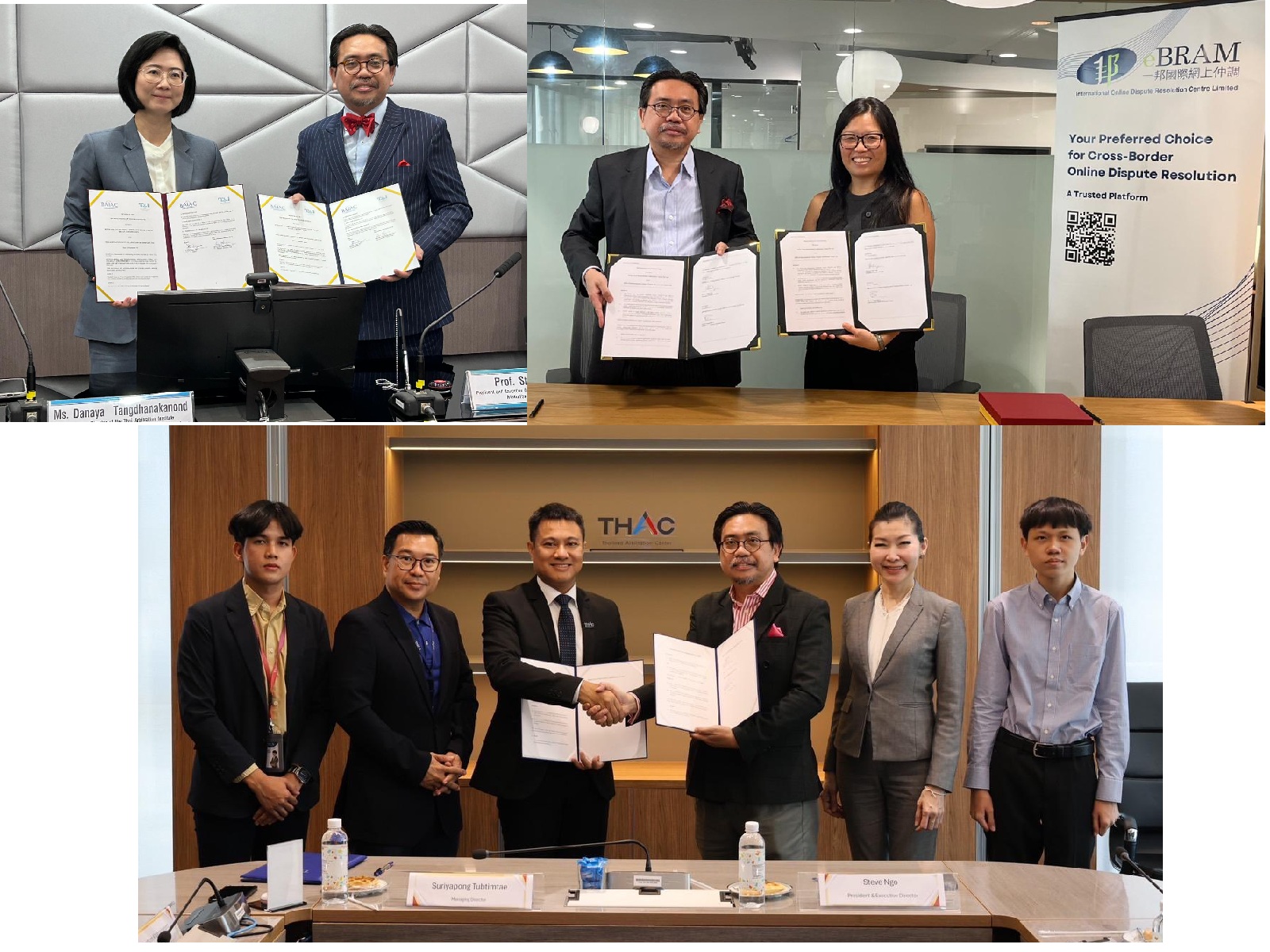
Over the years, BAIAC has forged ties and strategic collaborations with academic institutions and other arbitral institutions, driven by our belief in building bridges within the arbitral community through diversity and cooperation. These collaborations include joint arbitrator empanelment, arbitrator appointments, local case administration support, training, and more.
Whilst each arbitral institution may have its own set of rules, we recognise the importance of strategic collaboration between like-minded centres believing in a shared commitment to fairness and efficiency, and an openness to inclusive practices—to foster a balanced and wider arbitral ecosystem, especially among emerging arbitral institutions beyond the dominant sphere that prioritise accessibility, innovation, and regional relevance over scale.
Our collaborations include, among others, MoUs and cooperations with:
- Thai Arbitration Institute
- Thailand Arbitration Centre
- Jus Mundi
- Vietnam Traders Arbitration Centre
- Vienna International Arbitration Centre
- eBRAM International Online Dispute Resolution Centre
- Borneo International Centre for Arbitration and Mediation
- Chulalongkorn University, Faculty of Law, Bangkok
- Rajiv Gandhi National University of Law, Punjab
- Thammasat University, Faculty of Law, Bangkok
- University of Reading Malaysia, School of Law
- Sarawak Institute of Arbitration and ADR